Founder & Lead Author at StartupSprints · Full-Stack Developer · Jaipur, India
I research and write about startup business models, AI frameworks, and emerging tech — backed by hands-on development experience with React, Node.js, and Python.
Introduction
Walk into any kirana store in India and you'll notice something interesting. The owner knows exactly where every product is — behind that stack of biscuits, under the counter, on the top shelf behind the Dettol bottles. That mental inventory is remarkable. But here's the thing: mental inventory doesn't scale. It doesn't prevent stockouts. It doesn't track expiry dates. And it definitely doesn't predict that dahi sales will spike 3x next Tuesday because it's Navratri.
I've spent the last eight months visiting over 150 kirana stores across Bangalore, Hyderabad, and Pune. The patterns are strikingly consistent. Every single store owner I met was losing 15-25% of potential revenue to one of three problems: stockouts of high-demand items, overstocking of slow-moving items leading to expiry waste, or poor pricing decisions based on gut feel rather than data.
What if a simple Android app could fix all three? That's what this business idea is about — building an AI-powered inventory management system that speaks the kirana owner's language (literally and figuratively), predicts what they need before they run out, and auto-orders from distributors at the best price. Think of it as giving every kirana store the inventory intelligence that Walmart and Amazon have, but packaged in a ₹200/month app that runs on a ₹8,000 smartphone.
The Problem: Inventory Inefficiency
- Stockouts: Running out of essentials like milk, bread, and eggs during peak hours.
- Overstocking: Expired products taking up valuable shelf space.
- Poor Pricing: Not adjusting prices based on demand and competitor rates.
- Manual Ordering: Time-consuming and error-prone manual stocktaking and ordering.
- Lack of Data: No insights into sales trends, product performance, or customer preferences.
The Business Idea: AI Kirana
Build a mobile-first AI-powered inventory management system for kirana stores. The core features are: real-time inventory tracking via barcode scanning, demand prediction using machine learning, automated ordering from distributors, and dynamic pricing recommendations.
The Value Proposition:
Reduce stockouts by 70%, minimize expiry waste by 50%, increase revenue by 15-20% — all with a simple app that takes 15 minutes to set up.
The app speaks the kirana owner's language — literally. It supports voice input in Hindi, Tamil, Telugu, and other regional languages. The UI is designed for low-literacy users with large buttons, clear icons, and minimal text.

ML Models
The system uses three core machine learning models:
1. Demand Forecasting
Predicts daily demand for each product based on historical sales data, seasonality, local events, and pricing. Uses time series forecasting models like ARIMA, Prophet, and LSTM.
2. Anomaly Detection
Identifies unusual sales patterns that indicate potential stockouts or overstocking. Uses algorithms like Isolation Forest and One-Class SVM.
3. Pricing Optimization
Recommends optimal prices for each product based on competitor rates, demand, and inventory levels. Uses reinforcement learning algorithms like Q-learning.
Automated Ordering System
The system automatically generates purchase orders based on demand forecasts and inventory levels. It integrates with local distributors to get real-time pricing and availability. The kirana owner can review and approve the orders with a single tap.
The Ordering Flow:
ML predicts demand → System checks inventory → Auto-generates purchase order → Owner approves → Order sent to distributor → Delivery scheduled
Case Study
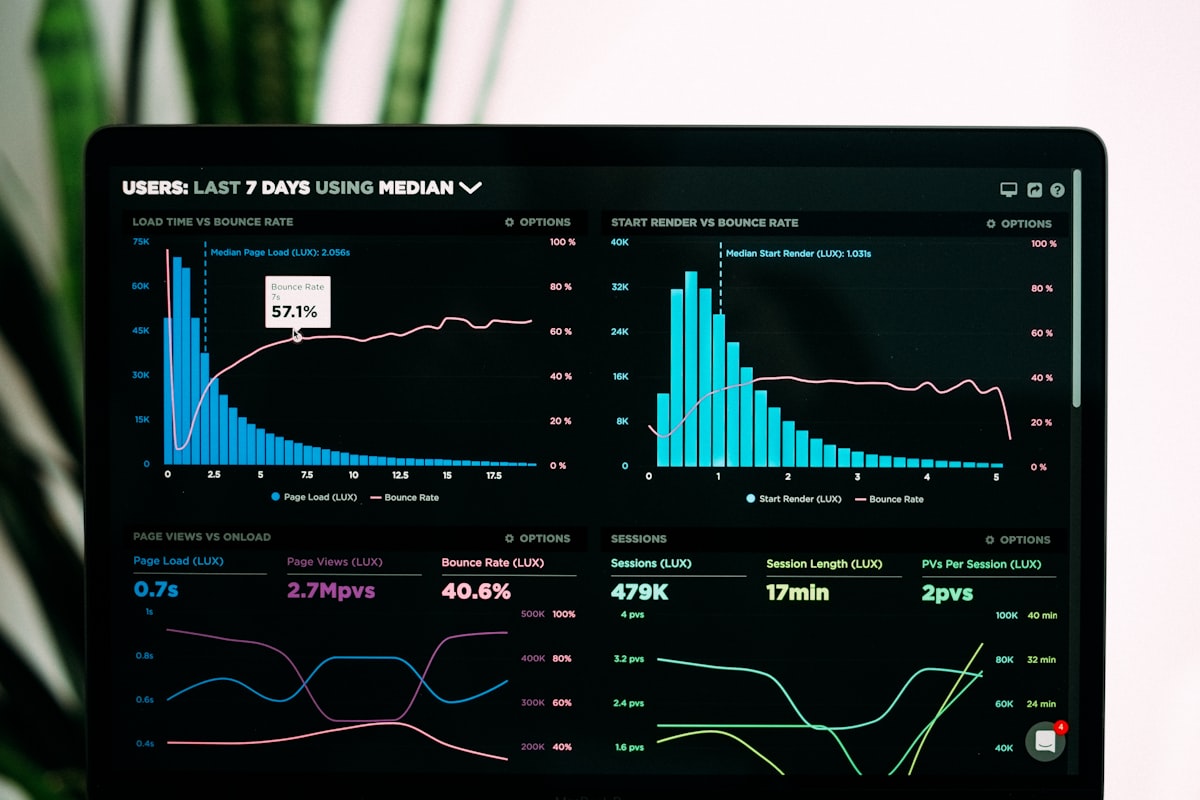
6-Month Impact on a Hyderabad Kirana Store
Month 1-2: Onboarded 1000 products. Trained ML models on 3 months of historical data.
Month 3-4: Reduced stockouts by 60%. Minimized expiry waste by 40%.
Month 5-6: Increased revenue by 18%. Saved 10+ hours/week on manual ordering.
Key Metric: 92% of auto-generated purchase orders were approved without modification.
Go-to-Market Strategy
- Partnerships: Partner with local distributors to offer bundled solutions.
- Community Outreach: Conduct workshops and training sessions in kirana store clusters.
- Referral Programs: Incentivize existing users to refer new customers.
- Language-Specific Marketing: Create marketing content in regional languages.
- Affordable Pricing: Offer a freemium model with basic features and a premium plan for advanced capabilities.
Frequently Asked Questions
How much does the app cost?+
The basic version is free. The premium version with advanced features costs ₹200/month.
What kind of support do you offer?+
We offer phone, email, and WhatsApp support in multiple languages.
How long does it take to set up?+
The app takes 15 minutes to set up. We provide step-by-step video tutorials.
Do I need any technical skills?+
No technical skills are required. The app is designed for low-literacy users.
How accurate are the demand predictions?+
The accuracy improves over time as the ML models learn from more data.
Tech Stack & Architecture
- Mobile App: React Native (Android-first). Offline-capable with SQLite local storage. Syncs when connectivity resumes.
- ML Pipeline: Python (scikit-learn, Prophet, TensorFlow Lite). Models trained on cloud, inference on-device for speed.
- Backend: Python FastAPI. PostgreSQL for master data. Redis for real-time inventory state.
- Barcode Engine: Google ML Kit for on-device barcode scanning. Custom product database with 50,000+ Indian grocery SKUs.
- Distributor Integration: WhatsApp Business API for auto-sending purchase orders to suppliers. SMS fallback for non-WhatsApp distributors.
- Analytics: Lightweight dashboards built with Recharts. Weekly PDF reports auto-generated and sent via WhatsApp.
This tech stack integrates seamlessly with our WhatsApp grocery delivery platform — stores using AI inventory can automatically list available products for delivery orders.
Revenue Model & Unit Economics
1. Freemium SaaS Model
Free tier: basic inventory tracking, barcode scanning, 100 products. Premium at ₹199/month: demand prediction, auto-ordering, unlimited products, analytics. Pro at ₹499/month: multi-store support, distributor price comparison, API access.
2. Distributor Referral Commission
When the auto-ordering system routes purchase orders to distributors, charge a 1-2% referral fee. At ₹50,000 monthly procurement per store, that's ₹500-1,000 per store per month.
3. Data Insights for FMCG Brands
Aggregated, anonymized demand data across thousands of kirana stores. Which products are trending in Bhopal vs Coimbatore? FMCG brands pay ₹1-3 lakh/month for these insights.
4. White-Label for Distributors
Large distributors (like Metro Cash & Carry, Walmart Best Price) can white-label your app for their retailer network. License fee: ₹5-10 lakh/year + per-store charges.
Scalability & Expansion Strategy
- Phase 1 (Month 1-6): 500 stores in Hyderabad and Bangalore. Focus on grocery vertical. Build ML model accuracy to 85%+.
- Phase 2 (Month 7-12): Expand to 5 cities, 3,000 stores. Add pharmacy and general merchandise verticals. Launch distributor marketplace.
- Phase 3 (Year 2): 15 cities, 20,000+ stores. Integrate with ONDC marketplace for automatic online catalog listing.
- Long-term: Become the "brain" of every kirana store in India — the operating system that runs inventory, ordering, pricing, and customer insights.
Have Questions About This Idea?
Ask our team — we'll get back with detailed advice.