Founder & Lead Author at StartupSprints · Full-Stack Developer · Jaipur, India
I research and write about startup business models, AI frameworks, and emerging tech — backed by hands-on development experience with React, Node.js, and Python.
Introduction
Quick commerce is no longer a buzzword — it is the backbone of modern retail. In 2026, the convergence of smartphone penetration, messaging app dominance, and the demand for instant gratification has created an unprecedented opportunity.
This guide explores a powerful business model: a WhatsApp-based hyperlocal grocery delivery platform that connects customers directly to nearby kirana (local grocery) stores. By leveraging WhatsApp Business API automation, real-time pricing engines, and a streamlined delivery workflow, entrepreneurs can build a scalable business with minimal upfront investment.
Unlike aggregator-heavy platforms that squeeze margins from small retailers, this model puts local stores at the center — giving them digital presence, instant customer access, and fair revenue sharing. If you're interested in what AI can do for these kirana stores beyond delivery, check out our deep dive into AI-powered inventory management for kirana stores.
The Problem: Why Grocery Delivery Needs Disruption
Despite the explosion of quick commerce platforms, significant pain points persist:
- Delayed delivery windows: Most platforms promise 10–30 minutes but frequently miss targets, especially in tier-2 and tier-3 cities.
- Price mismatch: Prices on large platforms are inflated compared to neighbourhood store rates.
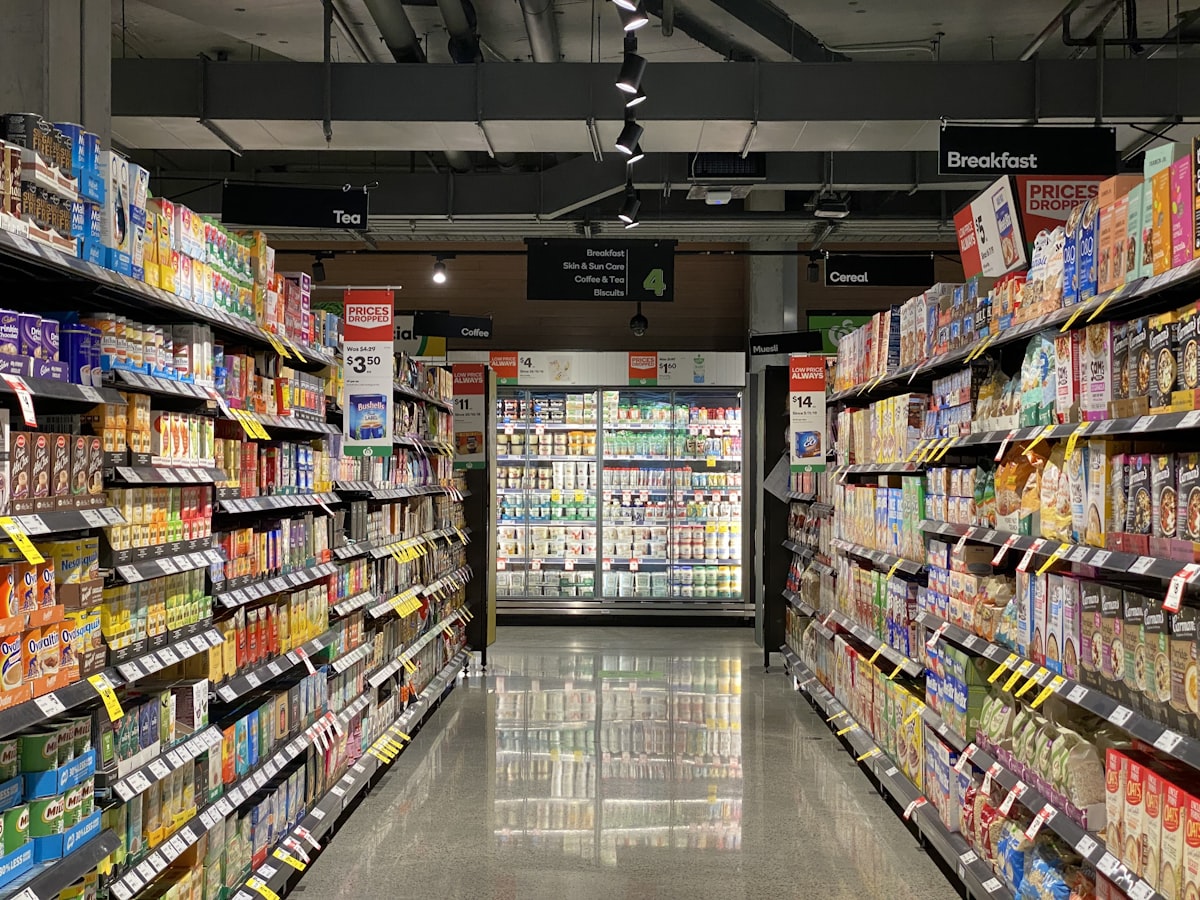
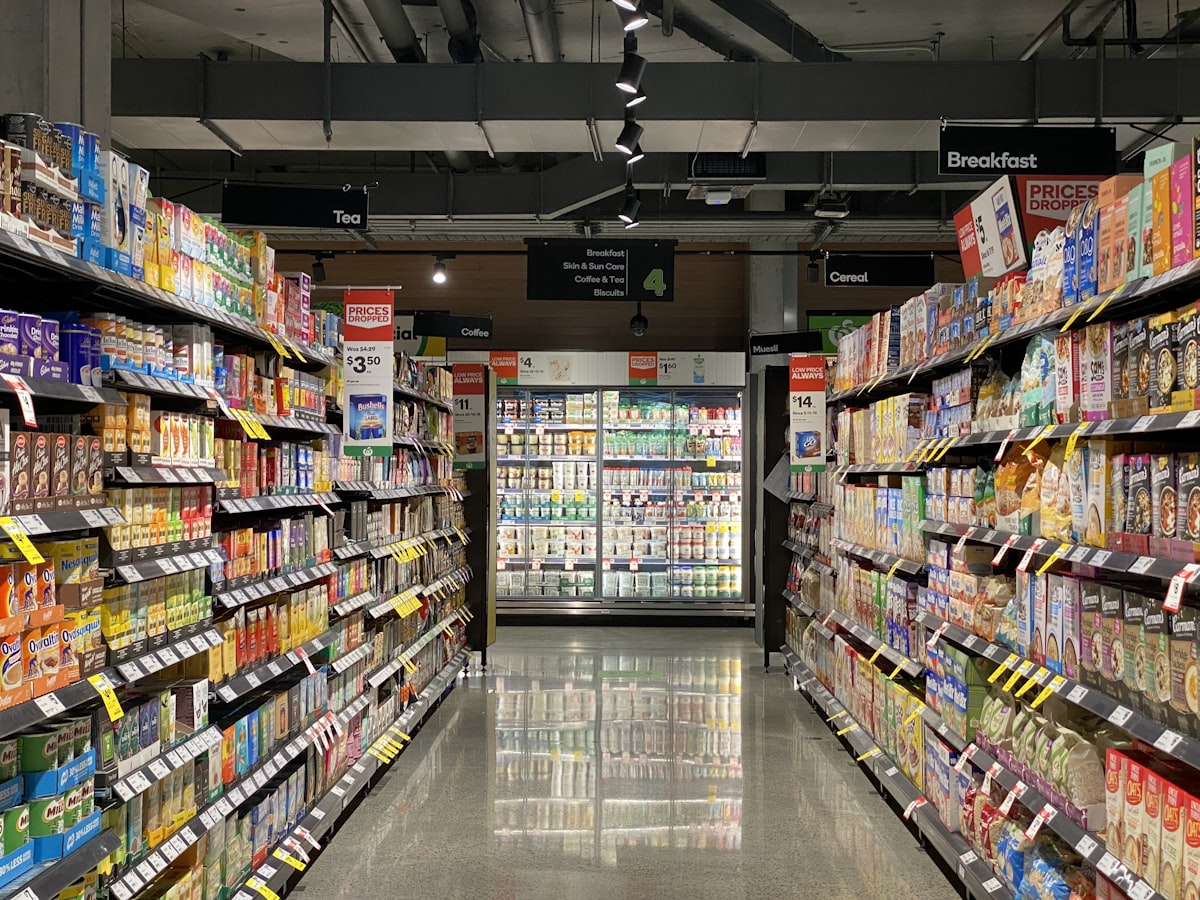
- Local shops left behind: Kirana stores — over 80% of India's grocery retail — have virtually no digital integration.
- Platform dependency: Retailers face heavy commissions (15–30%), delayed payouts, and loss of customer relationships.
- App fatigue: A solution within WhatsApp removes friction entirely. For users who prefer speaking over typing, our voice commerce platform guide tackles this from a different angle.
The Business Idea: WhatsApp-Powered Hyperlocal Commerce
The core concept is elegantly simple. A customer sends a grocery list to a WhatsApp chatbot. The system identifies the nearest participating kirana stores, collects real-time pricing, and returns a consolidated quote. The customer confirms, the store packs, a driver is assigned, and the order is fulfilled — all within a single WhatsApp conversation.
The Flow in One Sentence:
Customer WhatsApp message → Nearby store matching → Real-time pricing → Order confirmation → Store packaging → Driver dispatch → Delivery completed.
No app to download, no account to create. The entire experience is conversational, familiar, and instant. For a deeper look at building full payment processing inside WhatsApp conversations, see our guide on WhatsApp Payments Commerce.
Workflow: Step-by-Step Operational Breakdown
- Customer Request: The customer sends a text or voice message listing items they need.
- AI/Automation Price Collection: The backend parses the request using NLP, identifies items, and queries nearby stores for real-time pricing.
- Order Confirmation: The customer receives a clear price breakdown. A simple reply — "Confirm" — locks in the order.
- Store Packaging: The assigned store packs the items and marks the order as ready.
- Delivery Assignment: The system assigns the nearest available delivery partner.
- Final Fulfillment: The driver delivers the order with real-time WhatsApp tracking updates.
This NLP-powered ordering flow could be supercharged with autonomous AI agents that handle the entire customer conversation, pricing negotiation, and inventory queries without human intervention.

Target Market & Opportunity
The addressable market is enormous:
- Urban tier-2 and tier-3 cities: High smartphone and WhatsApp penetration but underserved by major platforms. Our Quick Commerce for Tier-2 Cities guide covers why these markets are golden.
- Kirana digitization trend: Government and private initiatives are pushing digital transformation of small retailers.
- Rising instant delivery demand: Consumer expectations are cascading into smaller cities.
- Gap between small shops and big apps: The massive network of local shops remains largely untapped digitally.
Market Insight: India has over 12 million kirana stores. Even digitizing 1% creates a network of 120,000 fulfillment points — more than any dark-store model could build.
Revenue Model
The business is designed for multiple, compounding revenue streams:
1. Commission Per Order
A modest 3–8% commission on each fulfilled order — lower than competitors, making it attractive for stores.
2. Store Subscription Plans
Premium tiers for priority listing, analytics dashboards, and marketing tools. Monthly plans from ₹499 to ₹2,999.
3. Delivery Fees
A small delivery charge (₹15–₹35) passed to the customer or subsidized during promotions.
4. Featured Store Promotions
Stores pay to be featured as the "recommended" option during peak hours.
5. Advertising Integration
As the platform scales, brands can advertise directly within the WhatsApp conversation flow. If your merchants sell directly to customers and want content in regional languages for promotions, our Generative AI for Indian Languages guide shows how to automate that.
Case Study: A Hypothetical Launch in Jaipur
6-Month Growth Trajectory
Month 1–2: Launch in 3 neighbourhoods. Onboard 20 kirana stores. Hire 5 delivery partners. Seed 200 customers.
Month 3–4: Word-of-mouth drives 300+ daily active users. Average order value ₹350. Revenue hits ₹45,000/month.
Month 5–6: Expand to 5 more areas. 50+ stores onboarded. 500 daily orders. Monthly revenue ₹1.5 lakh.
Key Metric: 68% customer retention — driven by convenience, fair pricing, and zero-friction WhatsApp experience.
Tech Stack: Scalable Architecture
- WhatsApp Business API: Official integration via Twilio, Gupshup, or Meta directly.
- Backend: Node.js or Python (FastAPI) for order processing and logistics.
- Database: MongoDB or PostgreSQL for data storage.
- Real-Time Pricing API: Custom microservice that polls store inventories.
- Delivery Tracking: GPS-based tracking using Google Maps API or Mapbox.
- Admin Dashboard: React-based dashboard for operations management.
Scalability Plan
- Multi-City Rollout: Replicate the playbook with shared backend infrastructure.
- AI Recommendation Engine: Predict customer needs based on purchase history.
- Predictive Delivery Optimization: Route optimization and demand forecasting.
- Automated Vendor Onboarding: Self-service onboarding via WhatsApp with AI verification.
- ONDC Integration: List your merchant network on India's open commerce protocol for broader discoverability — learn more in our ONDC Marketplace guide.
Frequently Asked Questions
How much investment is needed to start a WhatsApp grocery delivery business?+
You can start with as low as ₹1–2 lakhs covering WhatsApp API costs, a basic backend, and initial delivery partner onboarding. This makes it one of the lowest-investment quick commerce models available in 2026.
Do I need technical skills to start WhatsApp commerce?+
Basic technical understanding helps, but you can outsource development. The key skill is operations management and local market knowledge.
Is WhatsApp Business API free for grocery delivery?+
No, Meta charges per conversation. However, costs are minimal — typically ₹0.30–₹0.80 per conversation depending on category. For high-volume businesses, this is far cheaper than maintaining a native app.
Can this WhatsApp grocery model work outside India?+
Absolutely. Any market with high WhatsApp penetration and fragmented local retail — like Brazil, Nigeria, or Indonesia — is a strong candidate for this hyperlocal delivery model.
How do I onboard kirana stores for WhatsApp delivery?+
Start with personal outreach in target neighbourhoods. Offer zero-commission trials for the first month. Once early stores see results, word-of-mouth drives onboarding.
What is the difference between this and Blinkit or Zepto?+
Blinkit and Zepto use dark stores with heavy capital investment. This model uses existing kirana stores as fulfillment points, requires minimal investment, and operates entirely within WhatsApp — no app download needed.
How fast can WhatsApp grocery delivery achieve profitability?+
With the low-overhead model (no dark stores, no app development), most operators can reach operational profitability within 4-6 months in a single city with 50+ partner stores.
Have Questions About This Idea?
Ask our team — we'll get back with detailed advice.