Founder & Lead Author at StartupSprints · Full-Stack Developer · Jaipur, India
I research and write about startup business models, AI frameworks, and emerging tech — backed by hands-on development experience with React, Node.js, and Python.
Introduction
Let me tell you something that most founders in India are still sleeping on. The government has built a UPI for commerce. It's called ONDC — Open Network for Digital Commerce — and it's about to do to e-commerce what UPI did to payments. And just like UPI created opportunities for PhonePe, Paytm, and hundreds of fintech startups, ONDC is creating a once-in-a-decade opportunity for builders.
Here's the problem though. ONDC is a protocol, not a product. It's powerful but technical. A local restaurant owner in Pune or a handicraft seller in Jodhpur doesn't know what a "Beckn protocol" is, and they shouldn't have to. What they need is someone who says: "Give me your catalog, and I'll get you selling on ONDC in 10 minutes." That someone is you.
This guide is the complete blueprint for building an ONDC-native storefront builder — a SaaS platform that makes it ridiculously easy for any local business to go live on India's open commerce network. Think of it as Shopify, but built specifically for ONDC. And unlike Shopify, your merchants get access to customers across every buyer app on the network — Paytm, PhonePe, Magicpin, and dozens more — without paying 30% platform commissions.
What Exactly IS ONDC?
ONDC is a set of open protocols that enable any buyer app (like Paytm or PhonePe) to discover and transact with any seller on the network. Think of it as a digital public good — like UPI for payments or Aadhaar for identity. It's not owned by any one company. It's a government-backed initiative to democratize e-commerce in India.
Here's how it works:
- Open Network: Any buyer app can integrate with ONDC and discover sellers.
- Seller-Side Tools: Sellers use tools (like your storefront builder) to list their products on ONDC.
- Unified Catalog: ONDC creates a unified catalog of products across all sellers.
- Seamless Transactions: Buyers can purchase directly from sellers through any ONDC-enabled app.
Key Insight: ONDC breaks the platform monopoly. Sellers aren't locked into one app. Buyers can discover products from anywhere. It's a level playing field.
The Problem: Why ONDC Needs Storefront Builders
ONDC is powerful, but it's not user-friendly. Here's why local businesses can't just jump on ONDC without a storefront builder:
- Technical Complexity: ONDC uses the Beckn protocol, which requires technical integration.
- Catalog Management: Creating and managing a digital catalog is hard for non-technical sellers.
- Order Management: Handling orders, payments, and logistics requires a system.
- Discovery Challenges: Standing out on a network with millions of products is tough.
- No Easy Onboarding: Existing ONDC seller apps are clunky and lack user-friendly onboarding.
The solution? A storefront builder that abstracts away the complexity of ONDC and lets sellers focus on what they do best — selling.
The Business Idea: ONDC Storefront-as-a-Service
Build a SaaS platform that lets local businesses create ONDC-native storefronts in minutes. The platform handles catalog creation, order management, payment processing, and logistics integration — all with a simple, intuitive interface.
The Core Value Proposition:
"Go live on ONDC in 10 minutes. No technical skills required. Access customers on Paytm, PhonePe, and more. Pay a low monthly fee. Cancel anytime."
Think of it as a combination of Shopify and Razorpay, but built specifically for ONDC. You provide the storefront, the payment gateway, and the ONDC integration. The seller provides the products.
System Architecture: The Storefront Builder Stack
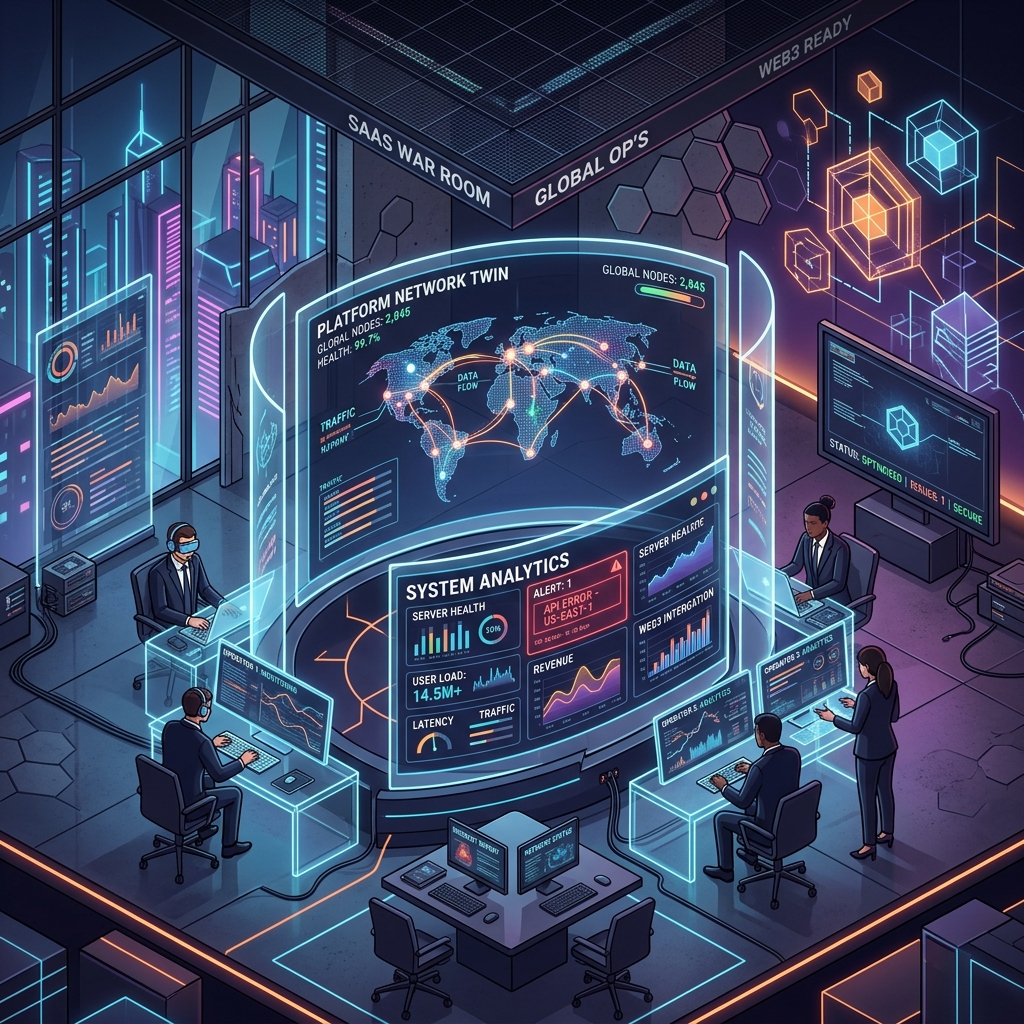
The architecture consists of four core components:
1. Storefront Builder
A drag-and-drop interface where sellers create their storefronts. This includes product listings, descriptions, images, pricing, and inventory management.
2. ONDC Integration Layer
This layer handles the technical integration with ONDC using the Beckn protocol. It translates the seller's product data into the ONDC format and manages order fulfillment.
3. Payment Gateway
Integration with payment gateways like Razorpay or PhonePe to handle secure online payments. This includes UPI, credit cards, and net banking.
4. Logistics Integration
Integration with logistics providers like Dunzo or Shadowfax to handle delivery. This includes order tracking and delivery updates.
Architecture Flow:
Seller creates storefront → Data translated to ONDC format → Product listed on ONDC → Buyer discovers product on Paytm/PhonePe → Order placed → Payment processed → Logistics provider delivers

Understanding the ONDC Protocol
The ONDC protocol is based on the Beckn protocol, which defines a set of open APIs for digital commerce. Here are the key concepts:
- Registry: A central registry of all participants on the ONDC network.
- Search: Buyer apps use the ONDC search API to discover products.
- Select: Buyer selects a product and adds it to their cart.
- Initialize: Buyer provides their shipping address and payment information.
- Confirm: Buyer confirms the order.
- Fulfill: Seller fulfills the order and updates the status.
Your storefront builder needs to handle all these steps seamlessly. This requires a deep understanding of the Beckn protocol and the ONDC APIs.
Case Study: Launching a Restaurant on ONDC
3-Month Growth Trajectory
Month 1: Onboard 20 restaurants in Pune. Focus on catalog creation and ONDC integration.
Month 2: Restaurants start receiving orders from Paytm and PhonePe. Average order value ₹250.
Month 3: Expand to 50 restaurants. Implement logistics integration. Monthly revenue ₹1.5 lakh.
Key Metric: 40% of restaurants see a 2x increase in orders compared to Swiggy/Zomato, driven by lower commissions and broader reach.

Go-to-Market Strategy
- Target local businesses: Focus on restaurants, grocery stores, and apparel shops in tier-2 and tier-3 cities.
- Offer a free trial: Let businesses try the platform for free for 30 days.
- Showcase success stories: Highlight businesses that have seen a significant increase in orders.
- Partner with local influencers: Get local influencers to promote your platform.
- Run online ads: Target businesses on Facebook and Google with ads showcasing your platform.
Frequently Asked Questions
How much does it cost to build?+
You can build a basic storefront builder with ₹5-10 lakh. The key is to focus on the core features and iterate based on user feedback.
Do I need to be an ONDC expert?+
You need a team that understands the ONDC protocol and the Beckn APIs. You can hire ONDC experts or partner with an ONDC solution provider.
How do I make money?+
You can charge a monthly subscription fee for your platform. You can also charge a commission on each transaction.
What are the biggest challenges?+
The biggest challenges are onboarding sellers, managing catalogs, and integrating with logistics providers.
Is ONDC really going to take off?+
ONDC has the potential to revolutionize e-commerce in India. It's a long-term play, but the opportunity is massive.
Revenue Model & Pricing Strategy
1. Monthly SaaS Subscription
Starter at ₹999/month (single storefront, 100 orders). Growth at ₹2,999/month (multi-location, analytics, logistics integration). Enterprise at ₹9,999/month (white-label, API access, dedicated support).
2. Transaction Commission
1-2% on every order processed through the storefront. At ₹5 lakh GMV per merchant, that's ₹5,000-10,000/month in transaction revenue per merchant.
3. Logistics-as-a-Service
Markup on integrated logistics (Dunzo, Shadowfax, Porter). Merchants pay ₹30-60 per delivery through your platform. You keep ₹5-10 per delivery as margin.
4. Premium Features
AI-powered product description generator (₹499/month), advanced analytics dashboard (₹299/month), multi-language catalog support (₹199/month).
Tech Stack & Infrastructure
- ONDC Protocol Layer: Beckn SDK (Node.js) for protocol-level integration. Handles search, select, init, confirm, status, and cancel flows.
- Backend: Node.js with Express/Fastify. PostgreSQL for catalog and order data. Redis for session management and caching.
- Storefront Builder: React + Tailwind drag-and-drop builder. Mobile-responsive templates optimized for WhatsApp sharing.
- Payment Gateway: Razorpay/PhonePe for UPI, cards, and wallets. ONDC-compliant settlement module for multi-party settlements.
- AI Layer: GPT-4o-mini for auto-generating product descriptions from photos. Image optimization pipeline for catalog photos.
- Infrastructure: AWS/GCP with auto-scaling. CDN for static assets. 99.9% uptime SLA.
For merchants who also sell via WhatsApp, this pairs perfectly with our WhatsApp Payments Commerce stack — merchants can accept orders from both ONDC buyer apps and WhatsApp simultaneously.
Scalability & Expansion Plan
- Phase 1 (Month 1-6): Launch in Pune with restaurants and grocery stores. Onboard 200 merchants. Focus on onboarding experience and catalog quality.
- Phase 2 (Month 7-12): Expand to Bangalore, Hyderabad, and Jaipur. Add fashion and electronics verticals. Introduce AI-powered inventory management as a premium add-on.
- Phase 3 (Year 2): 10 cities, 5,000+ merchants. Launch white-label offering for industry associations. API marketplace for third-party integrations.
- Long-term: Become the "Shopify of ONDC" — the default platform every local business uses to go live on India's open commerce network.
Have Questions About This Idea?
Ask our team — we'll get back with detailed advice.