Founder & Lead Author at StartupSprints · Full-Stack Developer · Jaipur, India
I research and write about startup business models, AI frameworks, and emerging tech — backed by hands-on development experience with React, Node.js, and Python.
Introduction
Zepto delivers in 10 minutes in Mumbai. Blinkit covers Delhi NCR in under 15. Instamart has Bangalore sorted. But drive 200 km outside any metro and quick commerce essentially doesn't exist. Indore, Jaipur, Coimbatore, Bhopal, Vizag, Chandigarh — these are cities with 10-30 lakh population, rising disposable income, and increasingly digital-native consumers. They want the same convenience. They're just not getting it.
I'm not saying you should compete with Zepto. That's a capital-burning game for SoftBank-backed companies. I'm saying there's a fundamentally different quick commerce model that works specifically in tier-2 and tier-3 cities — one that doesn't require dark stores, massive warehouses, or ₹500 crore in funding. It uses something these cities already have in abundance: neighbourhood kirana stores.
The idea is deceptively simple. Turn existing kirana stores into fulfillment nodes. Their existing inventory becomes your catalog. Their neighbourhood knowledge becomes your delivery advantage. You provide the technology layer — the app, the logistics coordination, the payment processing. They provide the products and the last 500 meters of trust. Together, you deliver in 30 minutes or less.
The Problem: Metro-Centric Quick Commerce
- Dark store economics don't work: Real estate costs are lower in tier-2 cities, but order density is also much lower. You can't justify a ₹2 crore dark store for 500 orders a day.
- Supply chain is immature: Metro quick commerce relies on sophisticated supply chains and distribution centres. These don't exist in most tier-2 cities.
- Consumer behaviour is different: People in smaller cities still prefer buying from their local shops. They trust the shopkeeper. They know the quality. You can't replicate that with a faceless app.
- Delivery costs are higher: Smaller cities are more spread out. Delivery riders spend more time travelling between orders, increasing costs and delivery times.
- Limited product selection: Metro quick commerce offers 5,000+ SKUs. People in smaller cities want the basics — atta, dal, milk, eggs, bread, vegetables. They don't need 17 brands of organic quinoa.
The Business Idea: Kirana-Powered Quick Commerce
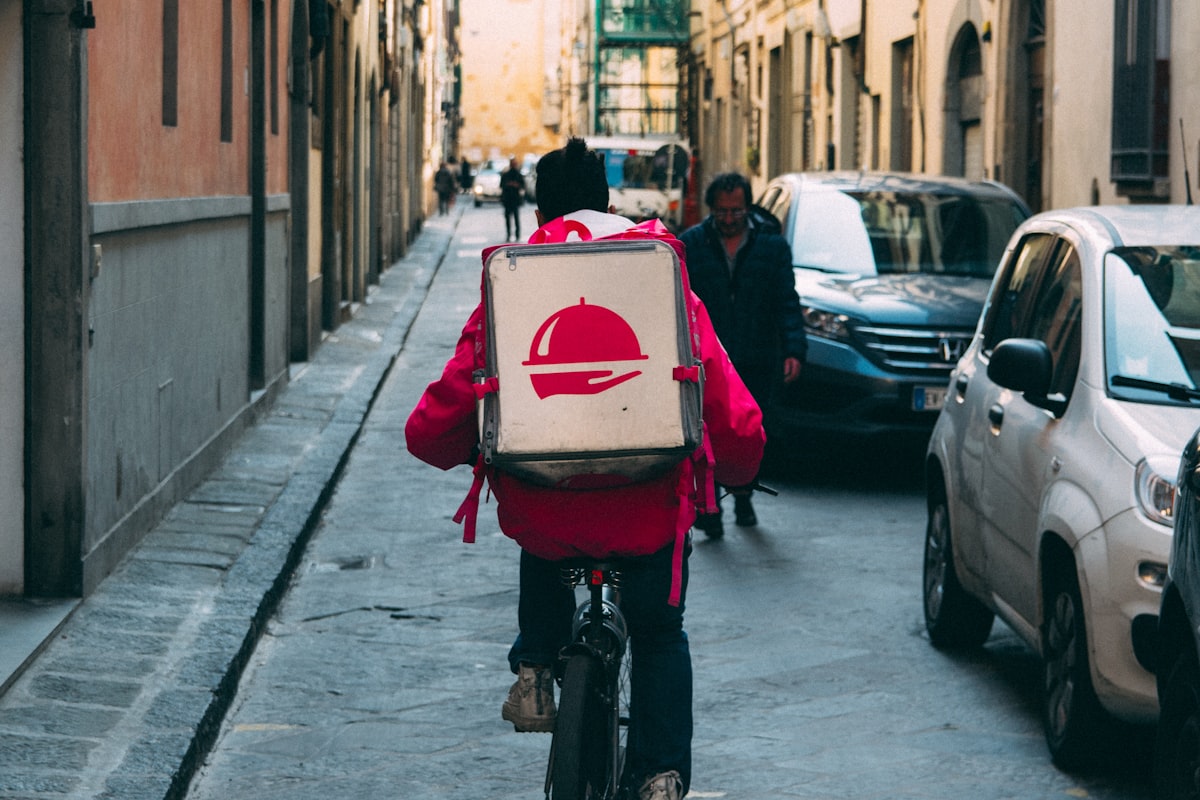
Build a quick commerce platform that partners with existing kirana stores in tier-2 and tier-3 cities. The platform provides the technology, logistics, and marketing. The kirana stores provide the inventory, fulfillment, and local knowledge.
The Core Value Proposition:
30-minute delivery in tier-2 cities without dark stores. Partner with local kirana stores. Provide technology and logistics. Focus on essential products. Build trust through local partnerships.
The platform works via a simple Android app for customers and a web dashboard for kirana store owners. Customers order via the app. The nearest kirana store receives the order, packs it, and hands it off to a delivery rider. The rider delivers the order within 30 minutes.
Why Not Dark Stores?
Dark stores are expensive. They require significant upfront investment in real estate, inventory, and staff. They also require a sophisticated supply chain to keep them stocked. This is difficult to build in tier-2 and tier-3 cities.
Kirana stores, on the other hand, already exist. They have existing inventory, staff, and supply chains. They also have local knowledge and trust. By partnering with kirana stores, you can avoid the costs and challenges of building dark stores.
Key Insight: Kirana stores are already mini-warehouses in every neighbourhood. They just need the technology and logistics to become quick commerce fulfillment centres.
The Delivery Model
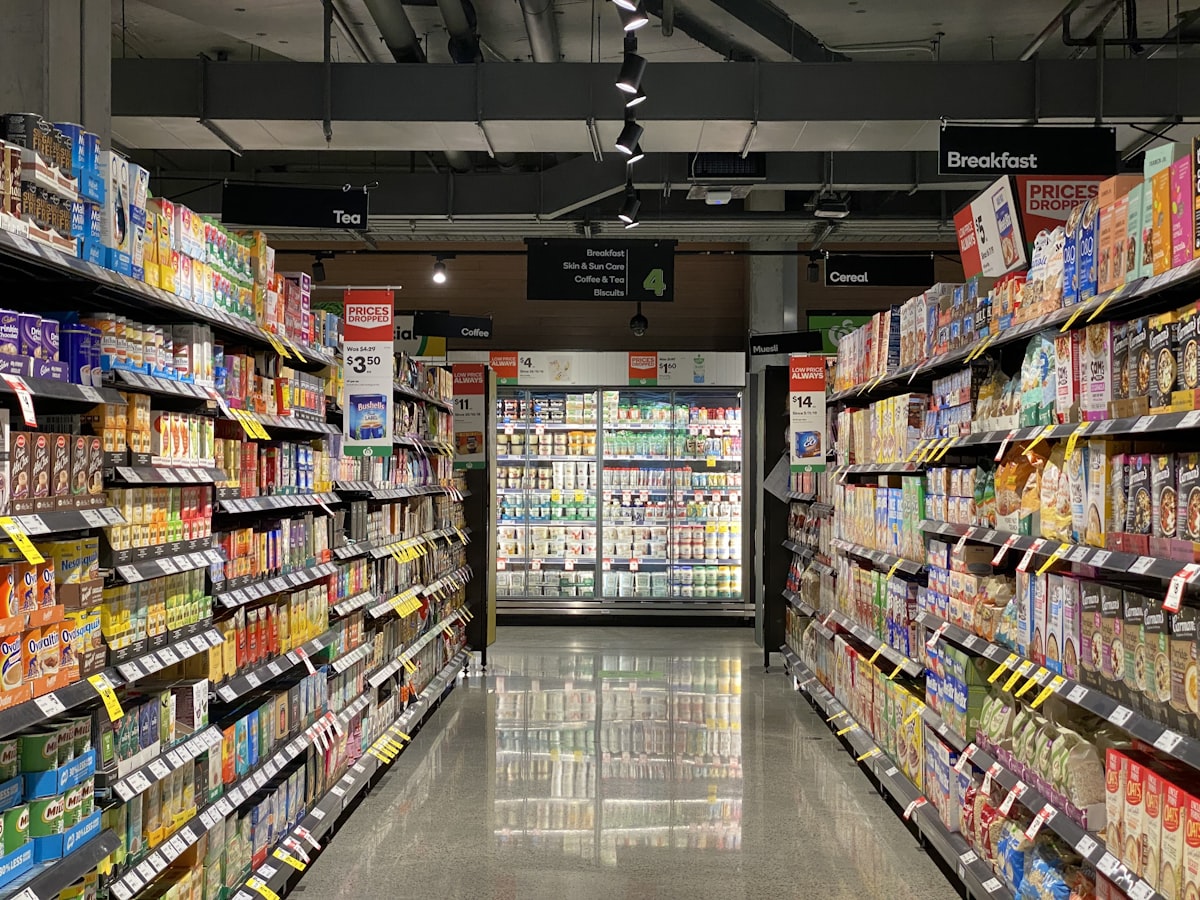
The delivery model is simple: hire local delivery riders and assign them to specific kirana stores. When an order comes in, the nearest available rider picks it up from the kirana store and delivers it to the customer.
The key is to optimize delivery routes and rider assignments to minimize delivery times and costs. This can be done using a combination of GPS tracking, machine learning, and real-time data analysis.
Delivery Optimization:
GPS tracking → Machine learning route optimization → Real-time rider assignment → 30-minute delivery guarantee.
Case Study: Indore Launch
6-Month Growth Trajectory
Month 1–2: Launch in 3 neighbourhoods. Onboard 30 kirana stores. Hire 10 delivery riders. Seed 300 customers.
Month 3–4: Word-of-mouth drives 400+ daily active users. Average order value ₹250. Revenue hits ₹30,000/month.
Month 5–6: Expand to 5 more areas. 60+ stores onboarded. 600 daily orders. Monthly revenue ₹1 lakh.
Key Metric: 72% customer retention — driven by convenience, local trust, and reliable 30-minute delivery.
City Selection Criteria
- Population: 10-30 lakh population.
- Smartphone penetration: High smartphone penetration.
- Kirana store density: High density of kirana stores.
- E-commerce adoption: Growing e-commerce adoption.
- Logistics infrastructure: Decent logistics infrastructure.
Top Cities: Indore, Jaipur, Coimbatore, Bhopal, Vizag, Chandigarh, Lucknow, Patna, Vadodara, Nagpur.
Tech Stack
- Customer App: React Native (Android & iOS).
- Kirana Dashboard: React.
- Backend: Node.js or Python (FastAPI).
- Database: MongoDB or PostgreSQL.
- Logistics Optimization: Google Maps API or Mapbox.
- Payment Integration: Razorpay or PhonePe.
Risks & Mitigation
- Kirana store onboarding: Onboarding kirana stores and ensuring they maintain quality and hygiene.
- Delivery rider management: Managing delivery riders and ensuring they deliver orders on time.
- Competition: Competing with existing e-commerce platforms and local kirana stores.
- Scalability: Scaling the platform to multiple cities.
Frequently Asked Questions
How much investment is needed to start?+
You can start with as low as ₹5-10 lakhs covering app development, initial kirana onboarding, and delivery rider hiring.
Do I need technical skills?+
Basic technical understanding helps, but you can outsource development. The key skill is operations management and local market knowledge.
How do I onboard kirana stores?+
Start with personal outreach in target neighbourhoods. Offer zero-commission trials for the first month.
How do I manage delivery riders?+
Use a combination of GPS tracking, performance incentives, and regular training.
How do I compete with existing e-commerce platforms?+
Focus on speed, local trust, and essential products. Don't try to compete on selection or price.
Revenue Model & Unit Economics
1. Commission Per Order
5-8% commission from partner kirana stores. Lower than metro platforms (15-25%) because your operational costs are lower.
2. Delivery Fee
₹20-30 per delivery. In tier-2 cities, shorter distances mean lower costs — ₹12-18 per delivery to riders, keeping ₹8-12 as margin.
3. Subscription for Power Users
₹99/month unlimited free delivery plan for customers who order 4+ times per week. Guarantees order volume and reduces per-order marketing costs.
4. Brand Promotions
FMCG brands pay ₹2-5 per promoted product placement. In a city with 1,000 daily orders showing promotions, that's ₹2,000-5,000/day in ad revenue. Pair this with AI-generated regional language promotions for maximum impact.
Go-to-Market Strategy
- Neighbourhood-first launch: Pick 3 high-density neighbourhoods. Onboard 30 kirana stores. This creates enough supply density for reliable 30-minute delivery.
- WhatsApp seeding: Partner with local RWA WhatsApp groups. Offer ₹100 off on first order. WhatsApp is the primary communication channel in tier-2 cities — leverage our WhatsApp grocery delivery playbook.
- Kirana incentives: Zero commission for the first 2 months. After that, 5% — still cheaper than any competitor. Use AI inventory management as a free value-add to lock in store partnerships.
- Local influencer partnerships: Partner with local food bloggers and lifestyle creators for authentic content in regional language.
Multi-City Expansion Playbook
- Phase 1 (Month 1-6): Single city (Indore). Prove 30-minute delivery with kirana model. 600+ daily orders, 60+ stores. Unit economics positive by month 5.
- Phase 2 (Month 7-12): 3 cities (add Jaipur, Coimbatore). Playbook-driven expansion — each city launch takes 3 weeks. Shared backend, city-specific ops teams.
- Phase 3 (Year 2): 8 cities. Add pharmacy delivery (huge margin, repeat orders). Integrate with ONDC for seller discoverability. Launch franchise model for city-level operators.
- Long-term: 25+ cities, platform model. Let local entrepreneurs run city operations using your tech, brand, and playbook. You earn platform fees + revenue share.
Have Questions About This Idea?
Ask our team — we'll get back with detailed advice.