Founder & Lead Author at StartupSprints · Full-Stack Developer · Jaipur, India
I research and write about startup business models, AI frameworks, and emerging tech — backed by hands-on development experience with React, Node.js, and Python.
Introduction
I drove from Mumbai to Goa last December in an electric car. Beautiful drive, terrible experience. I spent more time worrying about range than enjoying the scenery. The three "charging stations" Google Maps showed me along the route were: one out of service, one inside a closed hotel parking lot, and one working charger with a 40-minute queue. That was the moment I understood the EV infrastructure problem viscerally.
India sold 1.8 million electric vehicles in 2025 — a 65% jump from the previous year. The government wants 30% of all vehicles to be electric by 2030. But here's the math that nobody talks about publicly: India has roughly 12,000 public charging stations for those 1.8 million EVs. China, by comparison, has over 2.7 million chargers for 20 million EVs. We're not just behind — we're operating at one-tenth the infrastructure density we need.
That's not a problem. That's a franchise opportunity. Someone needs to build 500,000+ charging stations across India in the next 5 years. The market is screaming for it. The government is subsidizing it. And the unit economics — when you understand energy arbitrage and solar integration — are genuinely attractive.
The Charging Infrastructure Gap
- Range anxiety is the #1 barrier: 73% of potential EV buyers cite "lack of charging stations" as their primary concern. Not price. Not performance. Charging infrastructure.
- Highway desert: Inter-city travel is virtually impossible for EVs on most routes. The Mumbai-Delhi corridor has fewer than 80 public fast chargers across 1,400 km.
- Unreliable existing stations: 30-40% of installed chargers are non-functional at any given time due to poor maintenance, connectivity issues, or power supply problems.
- No standardization: Different EVs use different connectors (CCS2, CHAdeMO, Type 2, Bharat AC/DC). Most stations don't support all types.
- Pricing opacity: Charging rates vary wildly. ₹12/kWh at one station, ₹22/kWh at another 5 km away. No price discovery mechanism for consumers.
The Business Idea: ChargeGrid Franchise Network
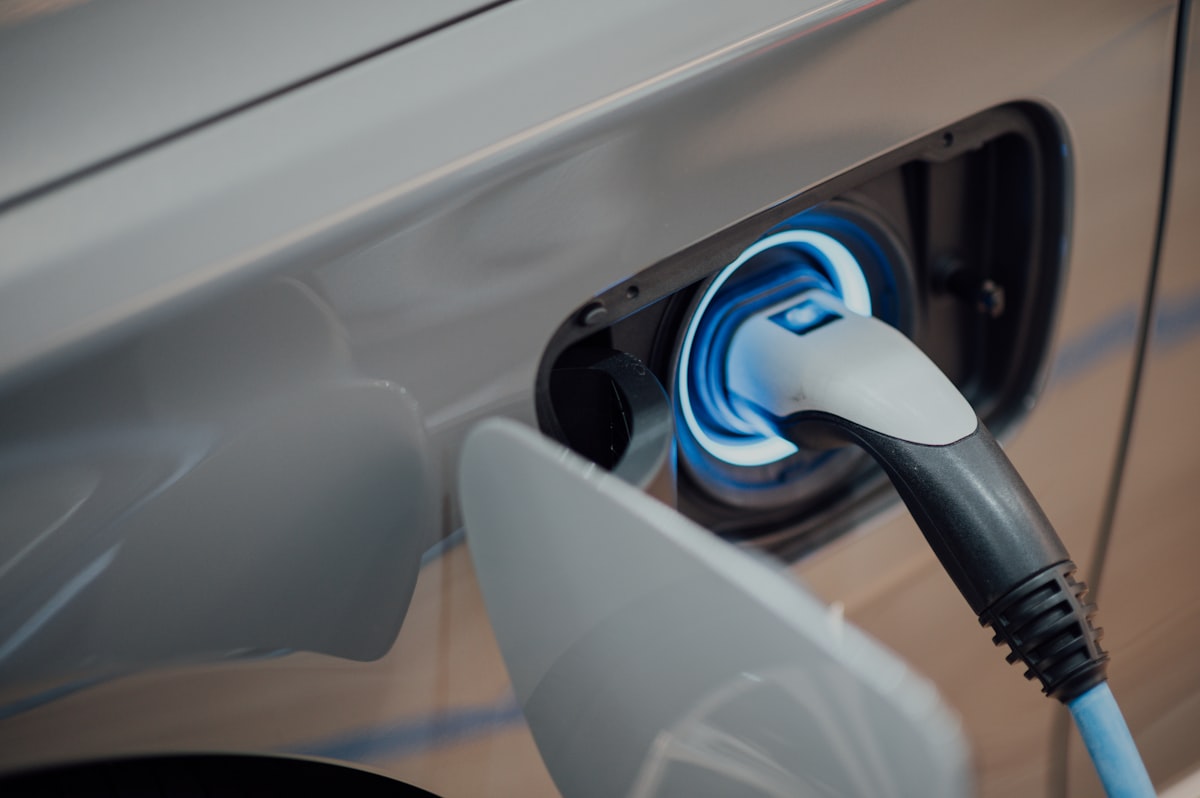
Build a franchise network of standardized EV charging stations deployed at highway dhabas, tier-2 city commercial complexes, and residential parking areas. The franchisee invests in the land/space and a portion of hardware costs. You provide the technology platform, hardware procurement at scale pricing, maintenance, and brand.
The Franchise Pitch:
₹12-18 lakh total investment. Monthly revenue potential: ₹1.5-3 lakh. Payback period: 18-24 months. You handle technology, maintenance, and customer acquisition. The franchisee handles the space and local operations. FAME III subsidy covers up to 40% of hardware costs.
Station Architecture & Hardware
Standard Station Configuration
Each station has 2 DC fast chargers (60kW CCS2 + CHAdeMO combo) and 2 AC slow chargers (22kW Type 2). This configuration serves both quick highway stops (30-minute DC charge) and longer dwell-time locations (2-3 hour AC charge).
Solar Canopy
Every station includes a 10kW solar panel canopy that covers the charging bays. This generates 40-45 units per day, offsetting 25-30% of energy costs. The canopy also provides shade — critical in Indian summers, both for vehicles and comfort.
Battery Buffer
A 50kWh lithium-iron-phosphate battery pack acts as a buffer. It stores solar energy during the day and grid energy during off-peak hours (₹4-5/unit at night). During peak hours (₹8-12/unit), the station draws from the battery instead of the grid. This is the energy arbitrage that makes the economics work.
IoT & Connectivity
Each charger has an embedded SIM (4G) with OCPP 2.0.1 protocol support. Remote monitoring, firmware updates, and diagnostics are handled from the central platform. If a charger goes down, your operations team knows before the franchisee does.
Site Selection Strategy
Tier 1: Highway Dhabas (Highest ROI)
Partner with popular highway dhabas on national highways. EV drivers need to stop for 30-40 minutes anyway — they'll eat while the car charges. The dhaba benefits from guaranteed footfall. The charger benefits from captive customers. Win-win. Target spacing: one station every 50 km on major corridors.
Tier 2: Commercial Complexes in Tier-2 Cities
Shopping malls, office parks, and hospital parking lots in cities like Jaipur, Indore, Coimbatore, Vizag. These locations have 2-4 hour dwell times, perfect for AC charging. The property owner provides space free or at subsidized rent in exchange for attracting the growing EV-owning demographic.
Tier 3: Residential Societies
Large housing societies (200+ flats) where residents own EVs but lack home charging. Install 4-6 AC chargers in visitor parking. Revenue is lower per charger but extremely consistent — residents charge nightly.
Site Selection Scoring Model:
Score each potential site on: daily vehicle traffic (40% weight), EV penetration in area (25%), power grid reliability (15%), space availability (10%), and competition within 5 km radius (10%). Minimum score of 70/100 to approve a franchise.
Franchise Model Design
Investment Breakdown
- Hardware (2 DC + 2 AC chargers): ₹14 lakh (before subsidy). After FAME III subsidy: ₹8.4 lakh.
- Solar canopy (10kW): ₹5 lakh. State solar subsidy: up to ₹1.5 lakh. Net: ₹3.5 lakh.
- Battery storage (50kWh): ₹4 lakh.
- Installation, civil work, signage: ₹2 lakh.
- Franchise fee: ₹1 lakh (one-time). Covers training, brand kit, and platform access.
- Total franchisee investment: ₹18.9 lakh (before subsidies). After subsidies: ₹12-14 lakh.
Revenue Share
Franchisee keeps 75% of charging revenue. You (the franchisor) take 25% which covers platform maintenance, customer acquisition, and brand building. Franchisee also keeps 100% of any ancillary revenue (snacks, waiting area, etc.).
Energy Arbitrage & Solar Integration
This is the secret sauce that makes EV charging highly profitable, and most people miss it entirely.
The Arbitrage Play
Commercial electricity rates in India follow Time-of-Day (ToD) pricing. Off-peak rates (11 PM - 6 AM): ₹4-5/unit. Peak rates (6 PM - 10 PM): ₹10-14/unit. Your battery charges at night at ₹4/unit and sells that energy during peak evening hours at ₹14-18/unit to EV drivers. That's a 250-350% markup on energy alone.
Solar Economics
The 10kW solar canopy generates approximately 40 units/day. At ₹0 marginal cost, these units are pure margin. Over a month, that's 1,200 free units worth ₹14,000-21,000 at charging rates. The solar canopy pays for itself in under 18 months.
Monthly Energy Economics (Per Station):
Grid purchase (off-peak): 3,000 units × ₹4.5 = ₹13,500
Solar generation: 1,200 units × ₹0 = Free
Total energy cost: ₹13,500 for 4,200 units
Revenue (selling at avg ₹15/unit): 4,200 × ₹15 = ₹63,000
Gross margin on energy: 78.6%
Target Market & Opportunity
- India needs 400,000+ public chargers by 2030: Currently has ~12,000. That's a 33x buildout needed in 4 years.
- EV sales trajectory: 1.8M in 2025, projected 4.5M in 2027, 8M+ by 2030. Every new EV sold needs charging infrastructure.
- Government capex support: FAME III allocates ₹4,000 crore for charging infrastructure subsidies through 2028.
- Highway corridor priority: NHAI has mandated charging stations every 40-60 km on all national highways. Most corridors are still unserved.
Revenue Model & Unit Economics
Per-Station Monthly Revenue (Mature Station)
- DC fast charging: 25 sessions/day × ₹350 avg per session = ₹2,62,500/month
- AC slow charging: 15 sessions/day × ₹120 avg per session = ₹54,000/month
- Ancillary (snacks, parking): ₹15,000/month
- Total monthly revenue: ₹3,31,500
Monthly Costs
- Electricity (net of solar): ₹45,000
- Maintenance & internet: ₹8,000
- Attendant salary: ₹15,000
- Revenue share to franchisor (25%): ₹82,875
- Total costs: ₹1,50,875
Franchisee Monthly Profit: ₹1,80,625
At ₹14 lakh investment, payback period is approximately 8 months for a well-located highway station. Even conservative estimates (50% utilization) show payback under 18 months.
Tech Stack & Software Platform
- Charger Management: OCPP 2.0.1 central system built on Node.js. Handles charger discovery, session management, metering, and billing.
- Consumer App: React Native app for EV drivers. Station discovery, availability check, reservation, payment, and session history.
- Franchise Dashboard: Next.js web dashboard for franchisees. Revenue reports, charger health monitoring, and customer analytics.
- Dynamic Pricing Engine: Python-based engine that adjusts charging rates based on grid pricing, demand, solar generation, and battery state. Maximizes margin through real-time optimization.
- IoT Platform: AWS IoT Core for charger telemetry. Real-time monitoring of voltage, current, temperature, and error codes.
- Payments: Razorpay for UPI, card, and wallet payments. Auto-settlement to franchisee accounts with daily reports.

Case Study: NH-48 Highway Corridor
6-Month Pilot: Mumbai-Pune-Bangalore Corridor
Setup: Deployed 8 stations across NH-48, spaced 45-55 km apart. Each at an existing highway dhaba. Total investment: ₹1.1 crore (after subsidies).
Month 1-2: Average 12 charging sessions/day/station. Revenue: ₹1.8 lakh/station/month. Dhaba owners reported 15% increase in food sales from EV drivers waiting during charge.
Month 3-4: Utilization climbed to 22 sessions/day as word spread. Featured on Google Maps and major EV community forums. Revenue: ₹2.8 lakh/station/month.
Month 5-6: Added 2 more stations at high-demand points. Network effect: EV drivers now plan Mumbai-Bangalore trips knowing reliable charging exists. Revenue: ₹3.2 lakh/station/month. Two franchisees already broke even.
Key Insight: Clustering stations on a single corridor creates a network effect that individual stations can't. Drivers choose your corridor because they know they can complete the journey without range anxiety.
Regulatory & Subsidy Landscape
- FAME III: Up to 40% subsidy on charger hardware costs. Application through MNRE portal. Approval timeline: 6-8 weeks.
- State EV policies: Most states offer additional incentives — land allotment, electricity duty exemption, and capital subsidy. Delhi, Maharashtra, Karnataka, and Tamil Nadu have the best policies.
- No license needed: Unlike petrol pumps, EV charging doesn't require a license. Any commercial entity can set up a charging station.
- Electricity tariff: MoP directive mandates EV charging at industrial/commercial tariff (not domestic). Some states offer further concessions.
- BIS standards: All chargers must comply with BIS IS 17017 standards. Your hardware procurement should only include BIS-certified equipment.
Go-to-Market Strategy
- Corridor-first approach: Don't scatter stations. Pick one 300 km highway corridor and saturate it. This creates the network effect that drives adoption.
- Dhaba partnerships: Approach top-rated dhabas on your target corridor. Offer them the franchise at reduced rates — their foot traffic is your customer base.
- EV community marketing: India's EV community is tight-knit and vocal on social media. One positive charging experience on your network gets shared to thousands.
- Fleet partnerships: Partner with EV fleet operators (Blu Smart, Evergreen Fleet) for guaranteed base load. Offer them corporate rates in exchange for volume commitments.
Scalability Plan
- Phase 1 (Year 1): 50 stations across 3 highway corridors and 2 cities. Prove the franchise model. Target: 1,500 charging sessions/day network-wide.
- Phase 2 (Year 2): 200 stations. Enter 8 cities. Launch battery swapping for 2-wheelers (separate franchise model). Target: 8,000 sessions/day.
- Phase 3 (Year 3): 500+ stations. National corridor coverage. Launch fleet charging hubs (dedicated stations for commercial EVs). Partnership with NHAI for rest area installations.
- Long-term: Vehicle-to-grid (V2G) integration. Your stations become distributed energy storage for the grid. Sell stored energy back to DISCOMs during peak demand. A whole new revenue stream.
Frequently Asked Questions
What's the minimum space required for a charging station?+
200-300 sq ft for a 4-charger setup including the solar canopy footprint. Highway locations typically have abundant space. Urban locations can work with 2 chargers in 150 sq ft.
How long does it take to set up a station?+
From franchise signing to operational: 8-10 weeks. Includes hardware procurement (4 weeks), civil work (2 weeks), electrical connection (2-3 weeks), and commissioning (1 week). Parallel processing reduces this to 6 weeks.
What happens if the grid goes down?+
The 50kWh battery buffer provides 3-4 hours of backup for AC charging. DC fast charging pauses during extended outages. Solar continues to charge the battery during daylight outages.
Can I run this as a side business?+
Yes. Highway stations need a part-time attendant during peak hours. Urban stations can be fully unmanned with remote monitoring. Many franchisees manage 2-3 stations alongside their primary business.
What's the maintenance cost?+
₹5,000-8,000/month per station covering preventive maintenance, connectivity, and minor repairs. Major hardware issues are covered under manufacturer warranty (5 years standard).
Have Questions About This Idea?
Ask our team — we'll get back with detailed advice.